Faith & Church
Bible Study Tools for Adults: 7 Creative Ways to Make Scripture Interactive
October 25, 2026·9 min read·Last updated October 25, 2026
Quick answer
Interactive Bible study tools are resources and activities that encourage active participation while studying Scripture. Examples include Scripture journals, Bible maps, discussion cards, magnetic Bible story visuals, timelines, and group reading activities. Adults can use them for personal study, small groups, Sunday school, and ministry teaching.
Written by Evee B
Faith-rooted keepsake maker, Yakima Valley — handmaking photo magnets, buttons, and coasters for families, churches, and ministries.
Published October 25, 2026 · 9 min read
Have you ever sat down for Bible study with every intention of getting into God's Word, only to find yourself reading the same passage three times because your mind keeps wandering?
Or maybe you're leading a Bible study and everyone is sitting quietly, waiting for someone else to answer the first question.
You love Scripture.
You want to understand it.
You want to share it.
But sometimes you wish there were a different way to approach the lesson.
Here's something worth remembering: Bible study doesn't have to look exactly the same every time.
There are ways to make it more interactive without watering down the message or turning everything into entertainment.
You can read Scripture, ask meaningful questions, write things down, arrange story visuals, or invite others to participate.
The Bible remains the foundation.
The tools simply help us engage with what we're reading.
And no, these ideas aren't just for children.
Let's explore seven ways to bring a little more interaction into adult Bible study.
What Are Interactive Bible Study Tools?↑ Top
The goal isn't to replace reading the Bible.
It's to create opportunities to slow down, examine the passage, and discuss what it says.
Different tools serve different purposes.
Some help you organize information.
Some help you explore historical context.
Others help you follow a biblical narrative or remember where to find important passages.
The best choice depends on what you're studying and who you're studying with.
1. Scripture Journals: Write Down What You're Discovering↑ Top
Sometimes the simplest tool is a notebook.
When you read a passage, write down what stands out to you.
Not just how it makes you feel, but what the passage actually says.
Who is speaking?
Who is being addressed?
What is happening?
What questions do you have?
For example, when studying James 1:19, you might write down the instruction to be quick to listen, slow to speak, and slow to become angry.
Then consider how that teaching applies to your own conversations.
A journal gives you somewhere to return when you're ready to study the passage again.
Try this: Write one observation, one question, and one practical application after each reading.
2. Bible Maps: Understand Where the Story Happened↑ Top
Have you ever read about a journey in the Bible and wondered how far the people traveled?
Or heard the name of a city without knowing where it was?
A Bible map can help you understand the geographical setting of a passage.
You might use one while studying Paul's missionary journeys, the travels of Abraham, or the events surrounding Jesus' ministry.
Maps can also help a group understand why certain locations mattered.
Try this: When a passage mentions a location, find it on a reliable Bible map and discuss how geography contributes to the story.
Remember that historical borders, names, and proposed routes may differ among reference resources. Choose maps that explain their sources.
3. Bible Character Magnets: Follow the Story as You Read↑ Top
Now here's a tool you might not have considered.
What if you could read a Bible story and physically arrange its important moments as the passage unfolds?
That's the idea behind Bible Character Magnets.
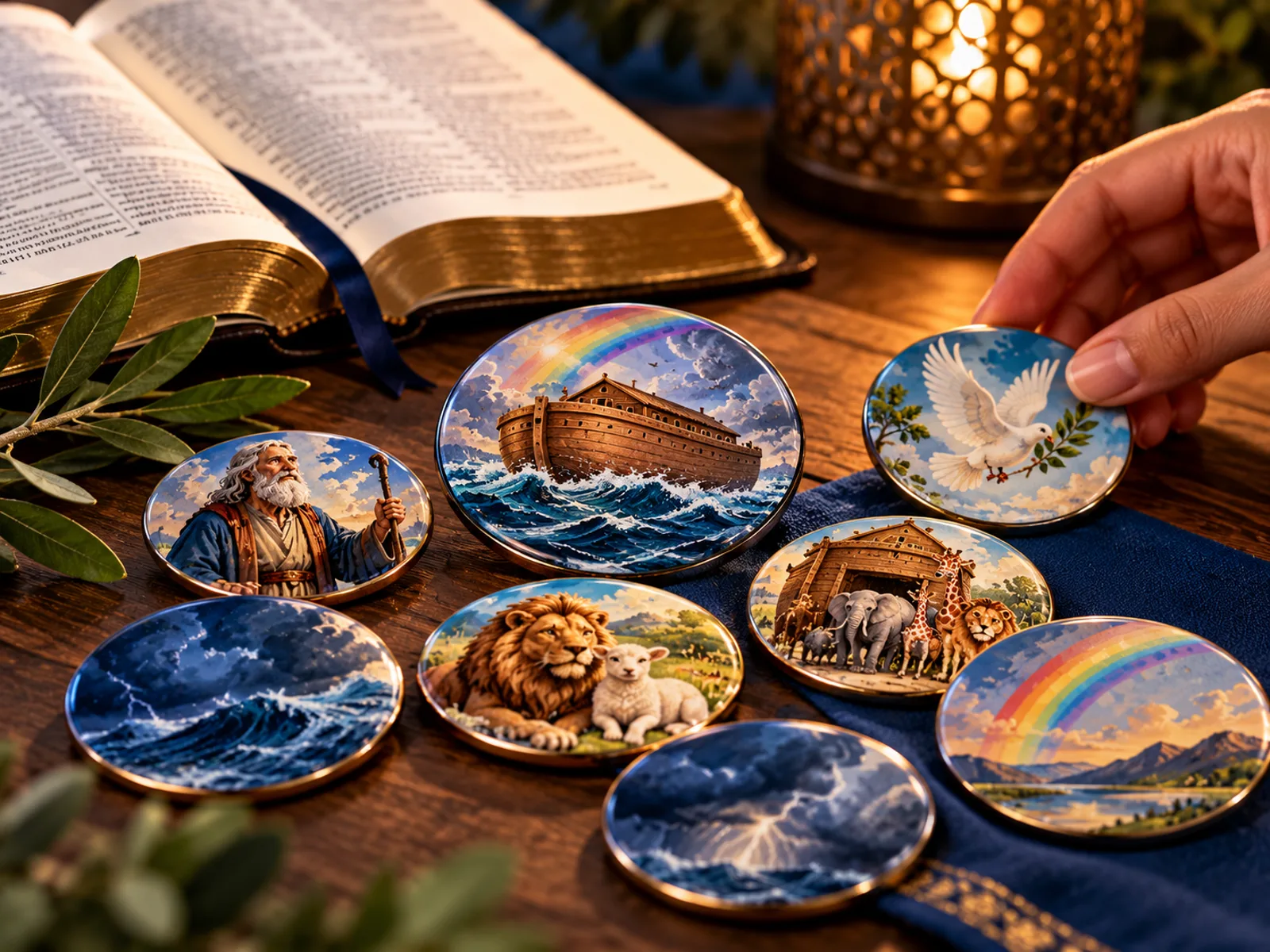
They're reusable, illustrated magnetic pieces representing characters, events, and teachings from Scripture.
You can place them on a refrigerator or magnetic whiteboard while reading the corresponding passages.
Let's use Noah's Ark as an example.
You open your Bible to Genesis 6–9.
You read about God's instructions to Noah.
Then you place the corresponding magnet on the board.
You continue reading and introduce the next scene.
As you move through the account, the visual sequence grows.
By the end, you can look back at the story, discuss the events, and invite someone to retell what happened.
And if anyone gets stuck?
You open the Bible and find the answer together.
That's what I appreciate about this approach.
The magnets are there to support the conversation, not take the place of Scripture.
Bible Character Magnets are created by TSO Custom Keepsakes in Yakima, Washington.
Our approach is simple:
See it! Touch it! Read it! Stick it! Repeat!
Watch Bible Character Magnets in Action
Watch our Bible Character Magnets demonstration on YouTube.New to the collections? Read What Are Bible Character Magnets? or follow the Noah’s Ark lesson and Nativity sequencing activity.
4. Scripture Discussion Cards: Get Everyone Talking↑ Top
If you've ever led a small group, you know that sometimes one question can open the door to a meaningful conversation.
Discussion cards can help you prepare those questions.
Write a question on each card.
For example:
Place the cards in a small basket or spread them across a table.
Invite participants to choose one.
Then return to the passage and discuss the answer together.
Try this: Have each participant choose one question and locate a verse that informs their answer.
- What does this passage reveal about God?
- What is happening in the surrounding verses?
- Is there a command, promise, warning, or example to consider?
- What question would you like to explore further?
- How can we apply this teaching responsibly?
5. Bible Timelines: Put Events in Context↑ Top
Sometimes we read familiar Bible stories as though they happened one right after another.
But biblical history covers long periods of time.
A timeline can help you explore the sequence of events and the relationship between different people and periods.
You might create a simple timeline while studying the kings of Israel and Judah, the life of David, or events in the book of Acts.
Use reliable study references when establishing historical dates.
Not every event has a universally agreed-upon date, and some timelines are approximate.
Try this: Write major events on separate cards and arrange them chronologically using the Bible and a reliable reference resource.
6. Read-Aloud Bible Study: Hear the Passage Together↑ Top
Sometimes we become so accustomed to reading silently that we forget the value of hearing Scripture spoken aloud.
Try inviting different participants to read portions of a passage.
Then pause.
Ask what they noticed.
Read it again if necessary.
You might discover a repeated word, a question, or a detail you hadn't considered.
For a group study, this can also create opportunities for more people to participate.
Just remember that not everyone feels comfortable reading aloud.
Allow people to participate in other ways.
Try this: Read a short passage twice, with a pause between readings for observations and questions.
7. Scripture Storytelling: Let Someone Else Retell the Passage↑ Top
One of the simplest ways to review a biblical account is to ask someone to explain what happened.
Not to perform.
Not to give a perfect speech.
Just to tell the story in their own words.
For example, after reading the account of David and Goliath in 1 Samuel 17, invite someone to summarize the main events.
What was the challenge?
How did David respond?
What did David say about the Lord?
Then return to Scripture and check the details together.
You can combine this approach with a timeline, discussion cards, or Bible Character Magnets.
Try this: Invite two people to retell the same passage, then compare their summaries with the biblical text.
Which Bible Study Tool Is Right for You?↑ Top
| Your Bible Study Goal | Tool to Consider |
|---|---|
| Record observations and questions | Scripture journal |
| Understand biblical locations | Bible map |
| Follow a Bible story visually | Bible Character Magnets |
| Encourage group discussion | Scripture discussion cards |
| Understand the sequence of events | Bible timeline |
| Explore a passage together | Read-aloud Bible study |
| Review a biblical narrative | Scripture storytelling |
There isn't one perfect tool for every person or every lesson.
Here's a simple way to choose.
You can also combine tools.
For example, a Bible study leader might use a map to introduce a passage, magnets to illustrate the story, and discussion questions to help participants reflect on what they've read.
The important thing is to keep Scripture at the center.
How to Make Adult Bible Study More Interactive Without Making It Complicated↑ Top
Here's where I would start.
Choose one passage.
Then choose one activity.
That's it.
You don't need seven different tools for a single Bible study.
If you're teaching Noah's Ark, use a visual story sequence.
If you're studying a letter from Paul, try discussion questions or journaling.
If you're exploring a journey through the Bible, pull out a map.
Give people time to think, ask questions, and examine the text.
And remember that an interactive Bible study doesn't have to be loud or busy.
Sometimes interaction means quietly writing a question in a notebook.
Sometimes it means discussing a passage with a friend.
And sometimes it means moving a magnet across a board while reading the story of Noah.
Bible Character Magnet Collections to Explore↑ Top
If visual Scripture storytelling sounds like something you'd enjoy, TSO Custom Keepsakes offers several Bible Character Magnet collections.
Noah's Ark
Explore God's instructions to Noah, the flood, the dove, and God's covenant.
Scripture: Genesis 6–9.
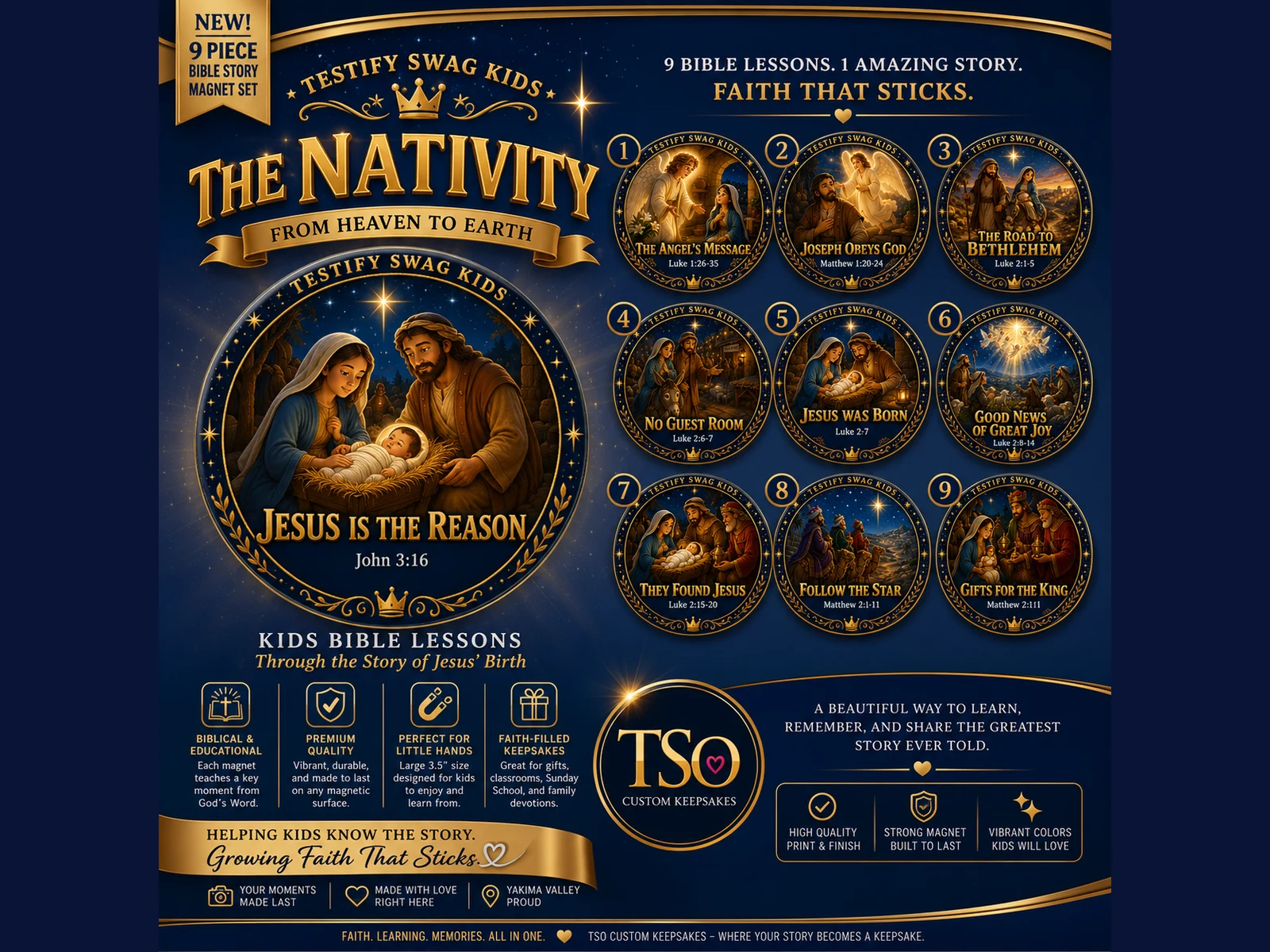
The Nativity
Follow the biblical events surrounding the birth of Jesus.
Scripture: Matthew 1–2 and Luke 1–2.
David and Goliath
Explore David's courage and trust in the Lord.
Scripture: 1 Samuel 17.
Study Paul's teaching about spiritual armor.
Scripture: Ephesians 6:10–18.
Explore the qualities Paul identifies as the fruit of the Spirit.
Scripture: Galatians 5:22–23.
Each collection offers a way to revisit Scripture and encourage meaningful conversations.
For church groups, ministry events, and special teaching activities, ask about personalized options and larger matching storytelling graphics.
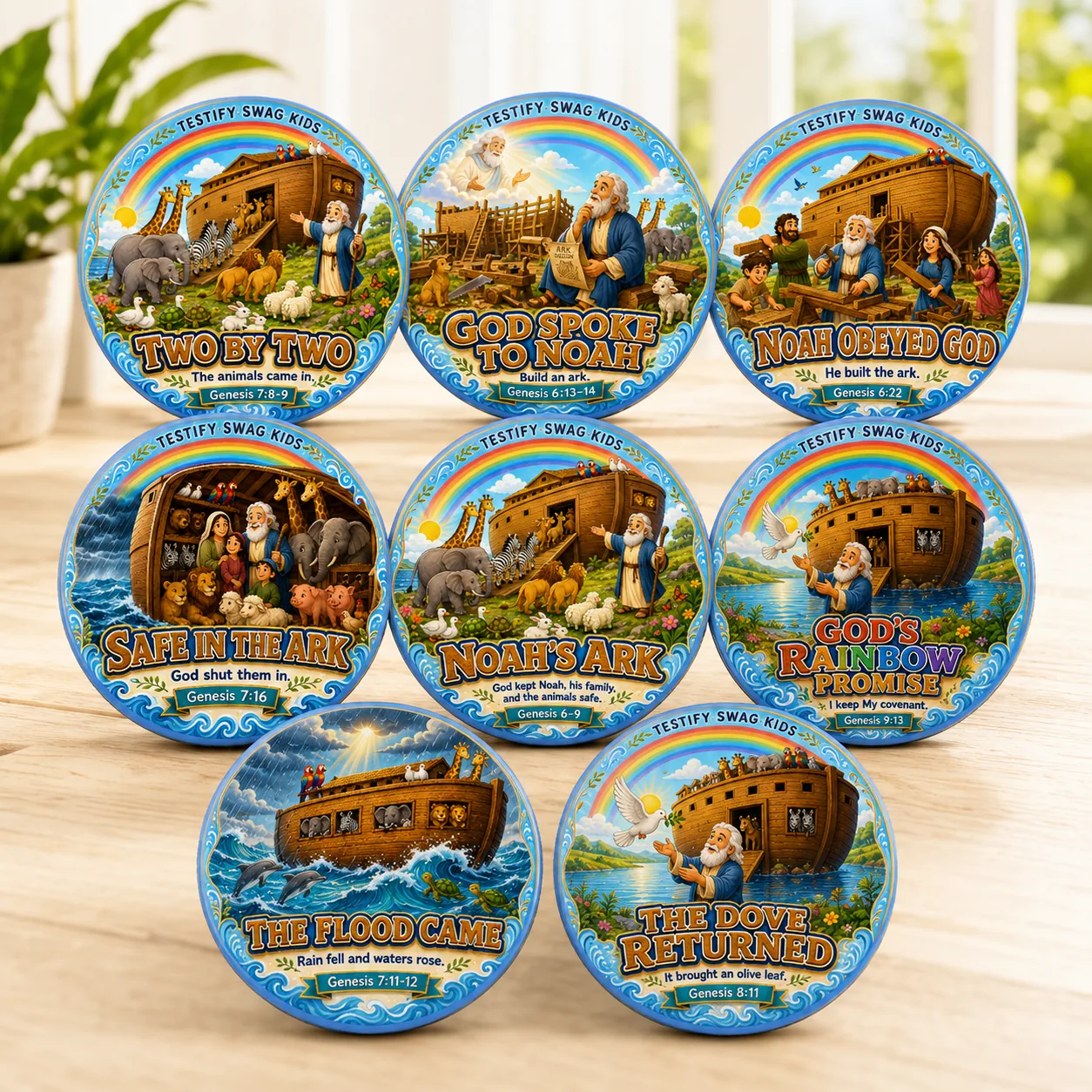
Noah's Ark Bible Character Magnets
Genesis 6-9
Shop This Set →
Nativity Bible Character Magnets
Luke 2 and Matthew 2
Shop This Set →
David and Goliath Bible Character Magnets
1 Samuel 17
Shop This Set →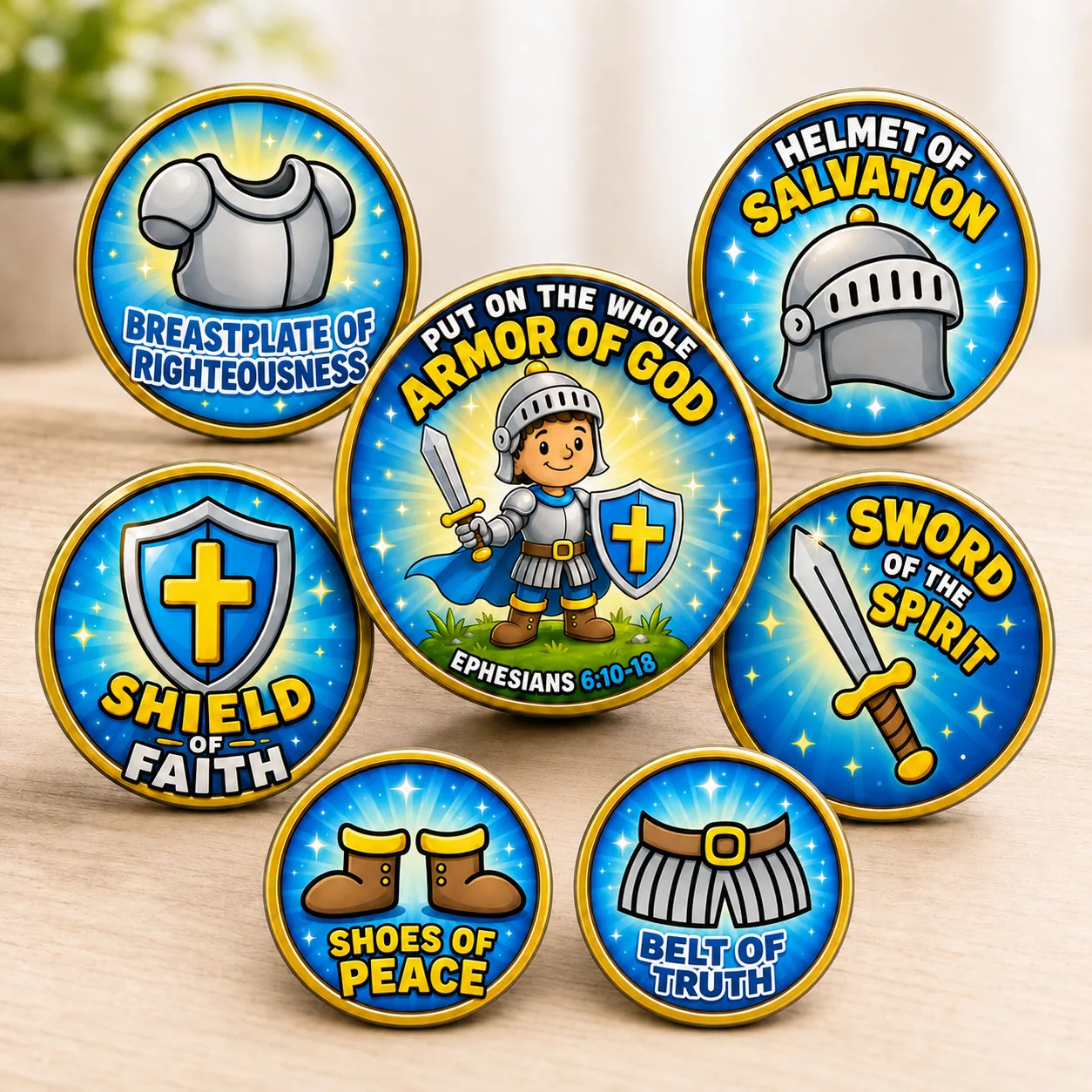
Armor of God Bible Character Magnets
Ephesians 6:10-18
Shop This Set →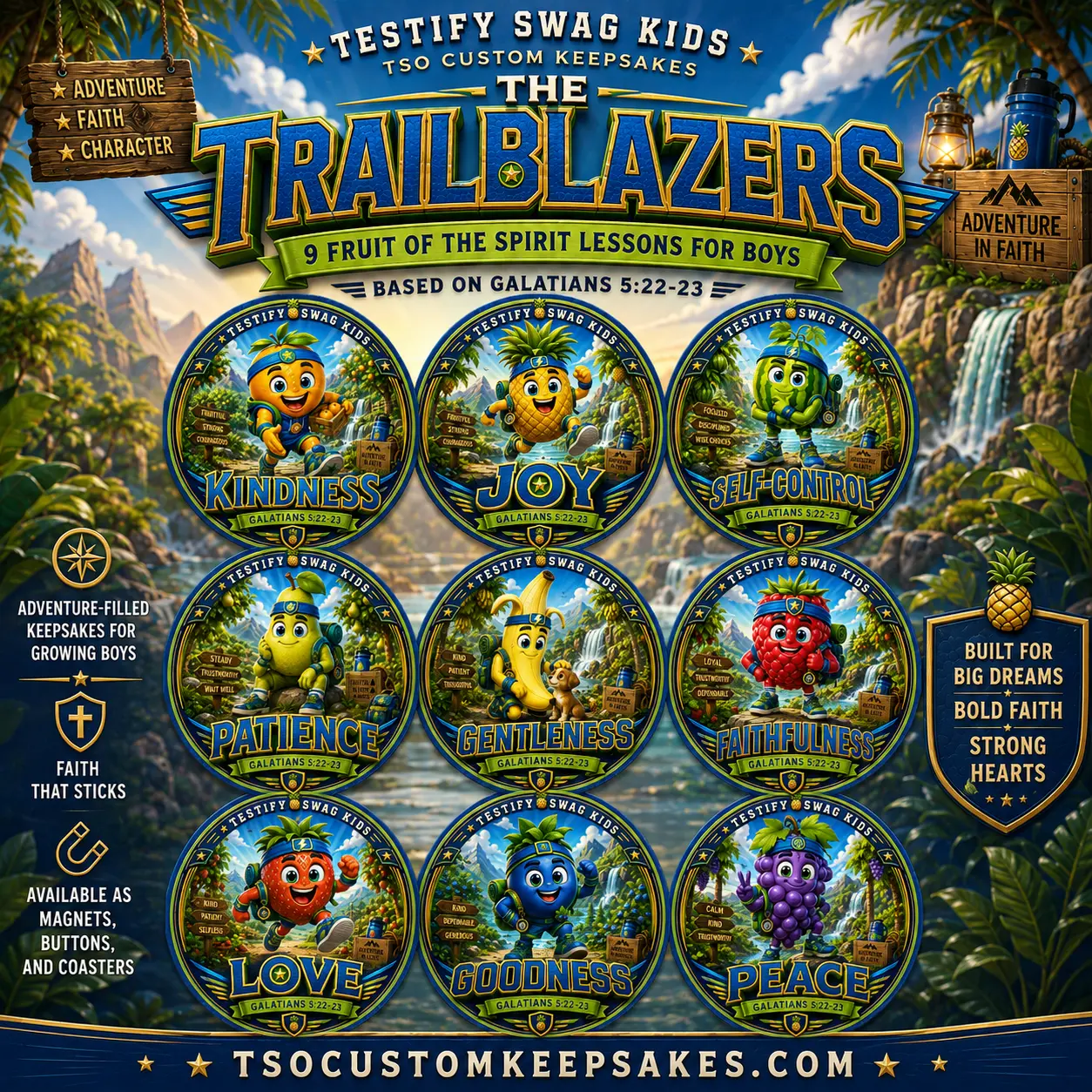
Fruit of the Spirit Bible Character Magnets
Galatians 5:22-23
Shop This Set →Frequently Asked Questions
What are the best Bible study tools for adults?
+
That depends on your goals. Journals can help organize observations, maps provide geographical context, discussion cards encourage conversation, and visual tools such as Bible Character Magnets can support Scripture storytelling.
Can adults benefit from hands-on Bible study?
+
Yes. Adults can use hands-on activities to participate in Scripture discussions, explore story sequences, and review passages. These activities are optional supports, not replacements for careful reading.
How can I make a small-group Bible study more interactive?
+
Start with a short passage, ask open-ended questions, invite different participants to contribute, and consider one visual or written activity that supports the lesson.
Are Bible Character Magnets only for children?
+
No. They're designed to support Bible storytelling and Scripture discussions for adults, teachers, ministry leaders, grandparents, families, and church groups.
Do I need expensive equipment?
+
No. Many interactive Bible study activities require only a Bible, paper, pens, and a few simple resources. Magnetic teaching activities need a compatible magnetic surface.
The Best Bible Study Tool Is the One That Sends You Back to Scripture
There's something special about opening God's Word and discovering a detail you hadn't noticed before.
Maybe it happens while you're writing in your journal.
Maybe someone asks a question during Bible study that makes you read the passage again.
Or maybe you're placing a Bible Character Magnet on a board and realize there's more to the story than you remembered.
However you study, keep coming back to the Word.
Read it.
Ask questions.
Talk about it.
And make room for someone else to join the conversation.
See it! Touch it! Read it! Stick it! Repeat!
Ready to explore a hands-on way to study Scripture?
Your Photos. Your Moments. Your Story.
Moments that whisper are worth remembering. Because moments fade. Love doesn't.
Related in this Bible guide
Jump between the hands-on Scripture lessons in this series.
Bible guide
How to Use Bible Character Magnets for Bible Study and Teaching
Follow the practical Noah's Ark lesson and teaching steps.
Read the lesson →Bible guide
What Are Bible Character Magnets?
The original guide to the reusable Scripture storytelling collections.
Read the lesson →Bible guide
Noah's Ark Bible Lesson
Walk through the Genesis 6–9 story.
Read the lesson →Bible guide
Nativity Story Sequencing
Return to Scripture and put the Nativity events in order.
Read the lesson →Tagged
- interactive Bible study tools for adults,
- Bible study activities for adults,
- hands-on Bible study,
- creative Bible study ideas,
- interactive Bible study activities,
- Bible teaching tools for adults,
- small group Bible study ideas,
- visual Bible learning tools,
- Scripture storytelling activities,
- Bible study resources for churches,
- reusable Bible teaching aids