Faith & Church
Before January: Proof-Check Your Human Trafficking Awareness Materials
Barbara Ziegler — faith-rooted keepsake maker, Yakima Valley
November 7, 2026·5 min read·Last updated November 7, 2026
Quick answer
Before printing human trafficking awareness materials, verify the help resources, agree on respectful wording and remove identifying or sensational images. Make support information easy to read without requiring a purchase or public disclosure. Buttons and magnets can carry a message, but trained services and practical support must remain the focus.
Written by Barbara Ziegler
Faith-rooted keepsake maker, Yakima Valley — handmaking photo magnets, buttons, and coasters for families, churches, and ministries.
Published November 7, 2026 · 5 min read
Awareness should lead toward support, not spectacle
For a church, ministry or community group preparing January outreach, the most important part of the printed piece is not its slogan. It is whether someone can find trustworthy information without being pressured to share a story, appear in a photograph or join a public activity.
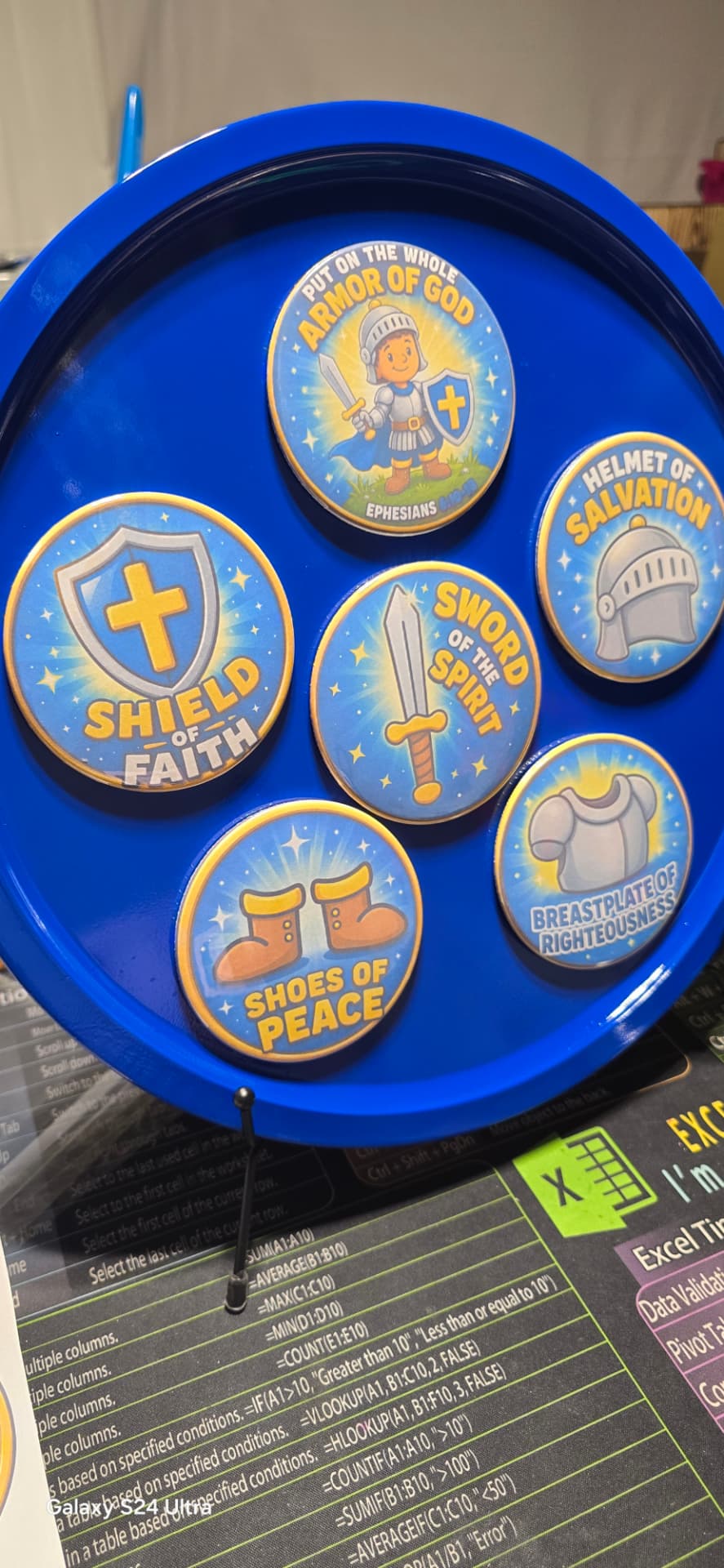
This guide is a pre-print review, not the existing awareness-walk keepsake guide. It does not announce a 2027 Yakima event, claim TSO has a service-provider partnership or promise that a keepsake prevents trafficking. The article image shows an existing TSO button format, not an approved awareness design.
Begin with credible public resources
The DHS Blue Campaign library offers public-awareness materials. Review the current source and its use instructions rather than copying a slogan from an unverified social post. Do not assume an official logo or illustration is available for any custom commercial use.
For regional information, start with Washington Commerce's resources for victims. For a Yakima event, ask a qualified local service provider to confirm the resources appropriate for your audience. Verify each provider's current scope and contact instructions before printing them.
Remove sensational or identifying content
Do not use a survivor's photograph, name or story as decorative campaign content. Avoid fear-based pictures, graphic descriptions and wording that blames the person experiencing exploitation. Do not ask someone to disclose an experience in order to receive a handout or gift.
Trafficking is not limited to one demographic or one kind of exploitation. A single sign does not prove trafficking. Have the wording reviewed by a qualified service provider or an appropriately supported, voluntarily participating survivor-informed reviewer where possible. Do not claim that review happened if it has not.
Consider privacy before adding a code or call to action
A public badge can identify someone with a cause they did not choose to display. Offer materials without requiring people to wear them or be photographed. Keep a neutral handout option available and avoid collecting sensitive personal information at a general outreach table.
A QR code is not automatically a safe or private way to seek help, particularly if browsing or email may be monitored. Tell volunteers to follow their organization's guidance; do not promise a link is confidential or that browsing leaves no record.
If you use a QR code, test its exact destination and provide readable information alongside it. Do not send help-seekers first to a store checkout, mailing-list signup or a page that asks for a purchase.
The final proof checklist
Use this review before approving buttons, magnets, coasters, signs or handouts. A printed resource can become outdated, so keep a record of the source and the date you checked it.
- The resource destination is current and the provider's audience and services are accurately described.
- The wording is respectful and does not promise rescue, safety or confidentiality.
- No identifying photo or personal story is included as campaign decoration.
- A reviewer has checked readability and any translated text.
- Any QR code opens the intended help resource and is not the only way to read the information.
- The piece does not require a purchase, public photo or personal disclosure to obtain help.
- Volunteers know the organizer's referral and privacy guidance.
Keep the purchase separate from the help
See the awareness keepsake options if your group needs a symbolic design. Send the proposed wording, format, quantity and confirmed event date through the custom-order page. We email an individual quote and provide an individual payment link after agreement.
The keepsake is an optional communication piece, not a service referral, intervention or treatment. The official resources linked above can be accessed without buying from TSO. Prayer and encouragement can sit alongside practical support, but neither a gift nor a message should replace professional help or the person's own choices.
Frequently Asked Questions
Can we put a survivor's story on an awareness button?
+
Do not use a survivor's story or identifying image as decoration. Keep these awareness pieces symbolic and use appropriately supported, voluntary survivor-informed review for messaging when available.
Is an awareness magnet a trafficking prevention service?
+
No. It can display a message but cannot identify trafficking, provide intervention or guarantee prevention. Direct practical support questions to qualified services.
Should a QR code send someone to our shopping page?
+
No. Help information should lead directly to the verified resource without requiring a purchase or signup. Test the code and provide readable information alongside it.
Tagged
- survivor respecting awareness materials proof check