Family & Legacy
Communication Magnets or Family Photos? A Caregiver Choice Guide
Barbara Ziegler — faith-rooted keepsake maker, Yakima Valley
November 7, 2026·5 min read·Last updated November 7, 2026
Quick answer
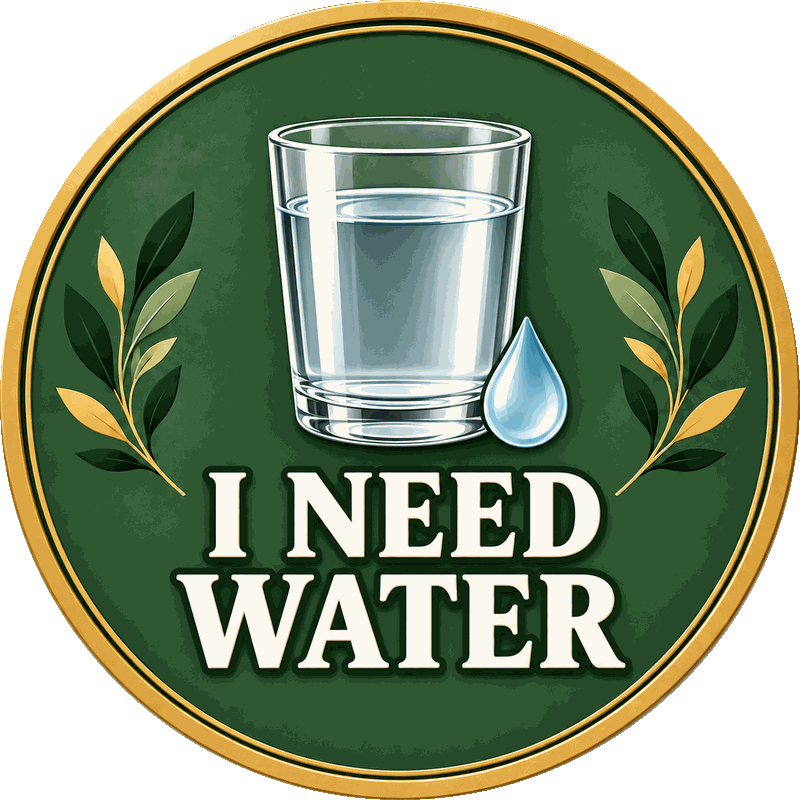
Communication magnets show a simple message such as I NEED WATER, while family photo magnets show a familiar face and optional name. They serve different purposes: expressing or discussing a need, and offering a conversation prompt. Neither treats dementia or guarantees recognition. Follow the person's preferences and ask their care team what fits.
Written by Barbara Ziegler
Faith-rooted keepsake maker, Yakima Valley — handmaking photo magnets, buttons, and coasters for families, churches, and ministries.
Published November 7, 2026 · 5 min read
Start with the person, not with the product
A family visit does not need to become a memory exercise. Before choosing a visual prompt, think about the moment you want to support. Is the person trying to tell you something, or would a familiar photograph offer a gentle opening for conversation? Those are different needs.
This guide is general information from a keepsake maker, not medical advice or a clinical recommendation. TSO magnets are not treatments, diagnostic tools or a replacement for individualized communication support.
A message magnet and a family photo have different jobs
TSO Communication Connection Magnets include simple illustrated messages such as I NEED WATER, I NEED HELP, BATHROOM, I FEEL SCARED and YOU ARE SAFE. A family might offer a relevant image to point at or discuss when words are difficult. The person may prefer a different aid or may not find these useful.
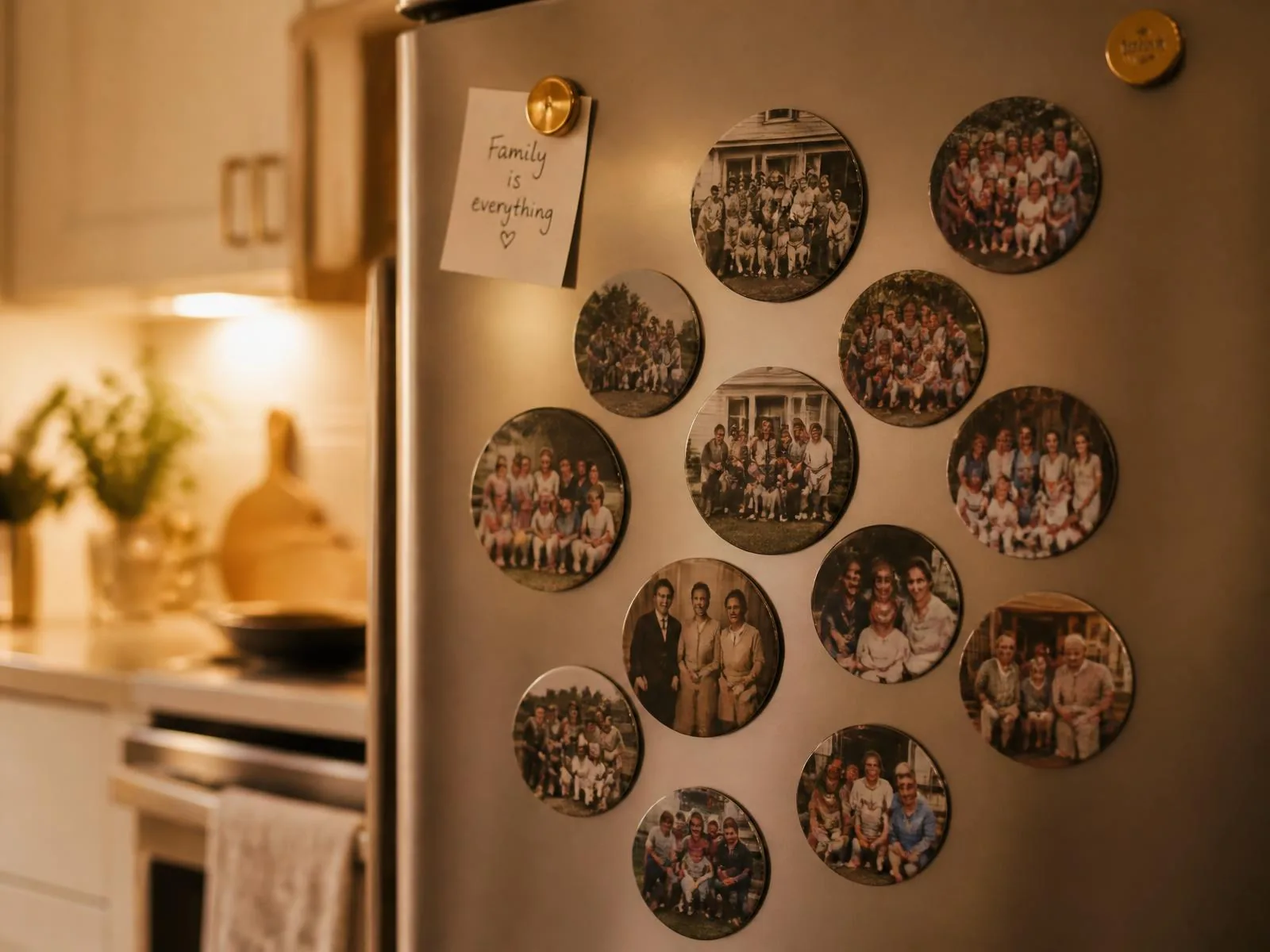
Dementia Memory Magnets use a family photograph with a name or brief identifying wording. They can be offered as a conversation prompt without expecting recognition. The aim is a respectful interaction, not making the person prove they know the face.
See both offerings and examples. The communication collection and family-photo examples currently share this page.
Ask one clear question and allow time
The National Institute on Aging's communication guidance recommends respectful communication and allowing time to respond. Its communication do's and don'ts includes avoiding questions that quiz the person's memory.
With a message image, you might ask one short question and pause. Do not interpret a glance or gesture as a definite answer if it is unclear. With a family photo, introduce the person gently rather than asking, "Do you remember who this is?" Watch whether the photograph feels welcome.
Reassurance wording is not a safety assessment
A YOU ARE SAFE design is a message, not proof of safety. If the person seems afraid, uncomfortable or in need of help, attend to that response and follow their care plan. Do not dismiss distress because a reassuring magnet is available.
These pieces are not emergency call devices. A need for water, bathroom assistance or urgent help should be addressed through ordinary care and appropriate services, not left to a magnet to resolve.
Keep the display simple and optional
Ask the person's care team about suitable visual supports, wording, placement and handling. Check vision, communication preferences and safe use with them rather than assuming one format suits every stage of dementia.
Introduce one relevant prompt rather than covering a surface with choices. Offer it without pressure. If it causes confusion, distress or no interest, put it away and try another approach agreed with the care team. Do not force a photo conversation or correct the person to complete an activity.
Choose the photo and request the right wording
For a family photo request, use an image the person and family are comfortable with. Keep names and identifying words clear, and check permission before uploading. A short familiar label may be more appropriate than a long biography.
Request a custom quote with the image or message you are considering. We review it and email a personal quote with an individual payment link after agreement. No improvement in memory, recognition or behavior is promised. If you are deciding whether a visual aid is appropriate, speak with a qualified care professional first.
Frequently Asked Questions
Will a family photo magnet make someone recognize relatives?
+
Recognition is not guaranteed. It may be offered as a conversation prompt, but it does not treat dementia or restore memory.
Are communication magnets emergency devices?
+
No. They are visual messages, not emergency call devices, monitoring tools or proof that someone is safe.
What if the person does not want to use a magnet?
+
Respect that response and put it away. Ask their care team about other communication supports that fit the individual.
Tagged
- communication magnets vs family photo prompts